Che cos’è il loyalty marketing? Come costruire una strategia di loyalty marketing efficace
Che cos’è il loyalty marketing? Come costruire una strategia di loyalty marketing efficace
This article goes step by step, clarifying the meaning of loyalty marketing. It provides keys to success, examples of successful programs, and discusses important loyalty factors. It gives a clear description of how to create an effective loyalty marketing strategy.
Aggiornato il
Pubblicato il
January 10, 2024
October 19, 2026
•
10
minuti
Il loyalty marketing è in linea con i tuoi obiettivi di business principali, perché ogni fattore che porta al successo è legato alla fedeltà dei clienti. Migliori il servizio clienti? Rafforzi la fedeltà. Ottimizzi l’evasione degli ordini? Anche in quel caso.
In sostanza, il loyalty marketing serve a mantenere coinvolti i tuoi clienti più affezionati. La vera fedeltà non nasce da una singola transazione, ma da impressioni durature. Anche se la fedeltà può esistere senza un programma formale, gestirla in modo efficace richiede una struttura. Senza gli strumenti giusti, troppo resta affidato al caso.
La maggior parte degli acquirenti oscilla tra un brand e l’altro. L’incentivo giusto al momento giusto può fare la differenza. Ignorare i clienti fedeli significa rinunciare a un valore notevole: in questo articolo vediamo perché nessun business dovrebbe correre questo rischio.
Che cos’è il loyalty marketing?
Loyalty marketing is a strategy designed to encourage customers to keep coming back to a business for more.
A differenza del marketing tradizionale, che punta ad acquisire nuovi clienti, questa strategia si concentra sulla costruzione di relazioni di lungo periodo premiando gli acquisti ripetuti. L’obiettivo? Trasformare gli acquirenti occasionali in fan fedeli che preferiscono il tuo brand alla concorrenza.
Le aziende ci riescono offrendo vantaggi come sconti, programmi a premi, offerte esclusive ed esperienze personalizzate, tutti pensati per far sentire i clienti apprezzati. Quando le persone si sentono valorizzate, non solo è più probabile che restino, ma spendono anche di più e consigliano il tuo brand ad altri.
In fondo, questa strategia di marketing non riguarda solo la vendita: si tratta di creare un legame che mantenga i clienti coinvolti, soddisfatti e desiderosi di tornare.
Prendi ad esempio Doodle Dogs. Con Growave ha creato un programma a premi flessibile, con un’ampia varietà di opzioni di ricompensa. Lanciando un programma con carta a timbri, ha ottenuto risultati notevoli: il 25 % dei ricavi totali proveniva da clienti che partecipavano attivamente al programma.
Quali sono i vantaggi del loyalty marketing?
Il loyalty marketing offre vantaggi innegabili, ma il suo impatto dipende da quanto bene metti in pratica la tua strategia di retention. Ecco come crea valore concreto sia per le aziende sia per i clienti:
Maggiore retention dei clienti
Il loyalty marketing ha un ruolo chiave nell’aumentare la retention e il valore del ciclo di vita del cliente. Un programma fedeltà ben progettato migliora il targeting e l’esperienza d’acquisto, favorisce l’engagement e incentiva gli acquisti ripetuti, trasformando chi compra una sola volta in un cliente per la vita.
Una crescita conveniente
Acquisire nuovi clienti costa caro, soprattutto nell’e-commerce. Le strategie di retention aiutano i brand a massimizzare i ricavi incoraggiando gli acquisti ripetuti dei clienti esistenti, riducendo i costi di acquisizione e aumentando la redditività.
Passaparola e fiducia nel brand
I clienti fedeli non si limitano a comprare di più: parlano di te. Un programma fedeltà solido alimenta un sentiment positivo e il passaparola, trasformando i clienti soddisfatti in appassionati sostenitori del brand.
Vantaggio competitivo
Un ottimo programma fedeltà offre alle aziende un vantaggio netto. I clienti si orientano spontaneamente verso i brand che offrono premi personalizzati, vantaggi esclusivi e un senso di appartenenza, che li mantengono coinvolti e lontani dalla concorrenza.
I passaggi essenziali per creare un programma fedeltà
Il loyalty marketing consiste nel creare relazioni durature con i clienti premiandone la fedeltà. Un programma fedeltà efficace aiuta a trasformare chi acquista una sola volta in un cliente abituale. Di seguito trovi i passaggi essenziali per creare un programma fedeltà che porti risultati nel lungo periodo:
Definisci un obiettivo chiaro
Parti da un obiettivo specifico e misurabile, che si tratti di aumentare la retention, far crescere il valore medio dell’ordine o conquistare quote di mercato. Un obiettivo chiaro indica la direzione e aiuta ad allineare ogni parte della tua strategia di fedeltà. Quando sai dove vuoi andare, è più facile arrivarci.
Analizza i dati
I dati dei clienti sono i tuoi migliori alleati. Usali per individuare schemi ricorrenti, prevedere il comportamento dei clienti e personalizzare il programma. Più conosci i tuoi clienti, meglio puoi servirli e farli tornare.
Una tecnologia facile da usare
Il tuo programma fedeltà deve essere facile da usare quanto è gratificante. Scegli una tecnologia che offra un’esperienza fluida e intuitiva su tutti i dispositivi. La piattaforma giusta può aumentare l’engagement e crescere senza sforzo insieme al tuo business.
Comunica con costanza
Resta in contatto con i tuoi clienti più fedeli. Email, SMS o notifiche in-app possono fare molto se usati con il messaggio giusto al momento giusto. Una comunicazione costante e significativa crea fiducia e mantiene il tuo brand sempre presente.
Offri un valore reale
Punti e vantaggi sono ottimi, ma la pertinenza è fondamentale. Assicurati che i premi corrispondano a ciò che i tuoi clienti desiderano davvero. Più valore percepiscono, più è probabile che restino.
Monitora e adatta
Monitora i risultati e resta flessibile. Usa metriche di fedeltà come tasso di riacquisto, valore del ciclo di vita del cliente, AOV e tasso di abbandono per guidare i miglioramenti. Un ottimo programma si evolve insieme ai tuoi clienti e li mantiene fedeli nel tempo.
Loyalty-based marketing doesn't have to be a complicated maze of points and perks. When done right, it's simply about building better relationships with your customers. Let’s walk through some key ideas - clear, practical, and proven to work - with examples to help spark inspiration.
Lemonade Stand 2.0
Think back to the lemonade stand. It wasn’t just about selling a drink - it was about charm, creativity, and connection. Maybe there were hand-drawn signs, extra ice, or a smile that made people stop and stay. That’s the magic.
While your product is important, what truly keeps people coming back is the experience surrounding it - the personal touch, the thoughtfulness, and the story behind it.
Retention-focused marketing, at its core, is about adding value that feels intrinsic. It’s the combination of creativity and smart execution - what we might call your "marketing superpowers.”
Less Is More
More options don’t always mean better. Ever get overwhelmed in a store aisle full of 20 versions of the same thing? Your customers feel the same.
Effective loyalty programs are clear, focused, and easy to understand. If your rewards system is confusing, people won’t use it. The more refined your offer, the more likely it is to engage.
Instead of offering everything, offer the right things.
Narrowing your rewards to what actually matters to your audience shows you understand them well - and that creates stronger loyalty than any point system ever could.
Know Your Loyalty Shopper
The people already enrolled in your loyalty program are goldmines of insight. They’re engaged, invested, and paying attention. Take time to learn from them. What do they love? What do they ignore? Where do they spend most? This feedback helps shape a smarter, more effective program.
Also, look around your niche. What are the common loyalty practices? What’s working? What’s stale? Then add your brand’s twist - this is where creativity and technique intersect to make something special.
Segmenting your loyal customers based on their behaviors, preferences, and spending habits allows you to tailor rewards and offers, making the loyalty program even more personalized and effective.
Thank you! Your submission has been received!
Oops! Something went wrong while submitting the form.
Want to close the gap?
Our team can help identify what’s holding back your retention and implement proven strategies tailored to your niche.
If you’re open to switching, we’ll buy out your existing loyalty contract and help push your numbers even further with personalized insights and automation.
In the highly competitive world, good ideas can help you stay connected with your customers. Here are some thoughtful approaches that can elevate your loyalty program and strengthen customer relationships:
Exclusive Events: Luxury and fashion brands invite top customers to private previews or runway shows. These events build anticipation and emotional investment. Let customers feel like VIPs, and they’ll stick around.
Limited Edition Access: Offer exclusive product drops or early access to new releases. This works especially well with high-demand items. Scarcity creates excitement - and rewarding loyalty with first access builds trust and satisfaction.
Community Experiences: Some car brands host road trips for owners; others create branded events for customers to connect. Sportswear brands do group workouts. These experiences turn customers into brand ambassadors through shared stories.
Priority Service: Think airline lounges, dedicated support, or preferred seating at restaurants. Perks that make everyday interactions smoother are incredibly powerful and create long-term attachment.
Purpose-Driven Loyalty: Madewell’s trade-in program rewards customers with discounts for bringing in old jeans, which are then recycled or resold. It’s a great example of a purpose-driven loyalty initiative that aligns with eco-conscious values. Customers want to support brands that share their beliefs - adding purpose makes your program meaningful.
Strategic Partnerships: Team up with other brands to offer extra perks - think movie tickets, VIP access, or co-branded products. It’s a smart way to boost value and loyalty. A great example? Delta and Starbucks - earn miles while grabbing your coffee. Win-win.
Offline vs Online Loyalty Marketing
When it comes to loyalty-based marketing, both offline and online strategies have their strengths. Offline marketing, like in-store promotions or direct mail, creates personal, face-to-face connections with customers, building trust and a sense of community. It’s perfect for local businesses looking to foster strong, loyal relationships.
On the other hand, online marketing offers the advantage of reaching a wider audience, with targeted email campaigns, social media, and personalized ads driving engagement from anywhere. Digital tools allow you to track customer behaviors, making it easier to refine loyalty offers.
While offline is great for immediate, tactile experiences, online strategies offer convenience and scalability. The key is finding the right balance between the two to create a seamless, omnichannel loyalty program that resonates with every type of customer.
Real-life Examples of Successful Marketing Strategies
Successful brands know that loyalty programs aren’t just about rewards, they’re about building lasting relationships. In this section, we’ll explore real-life examples of companies that have mastered loyalty marketing and uncover what makes their strategies so effective.
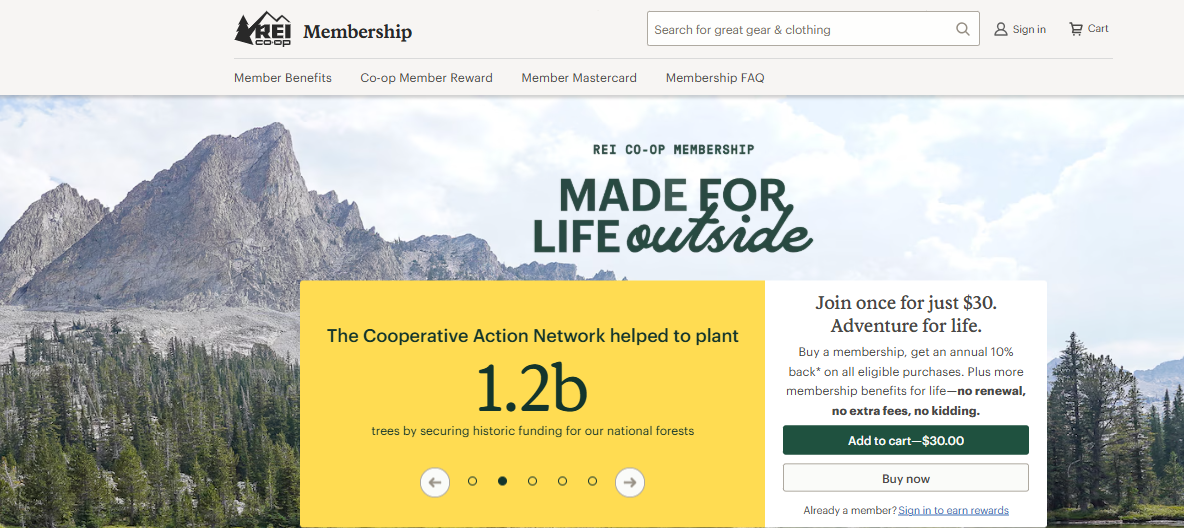
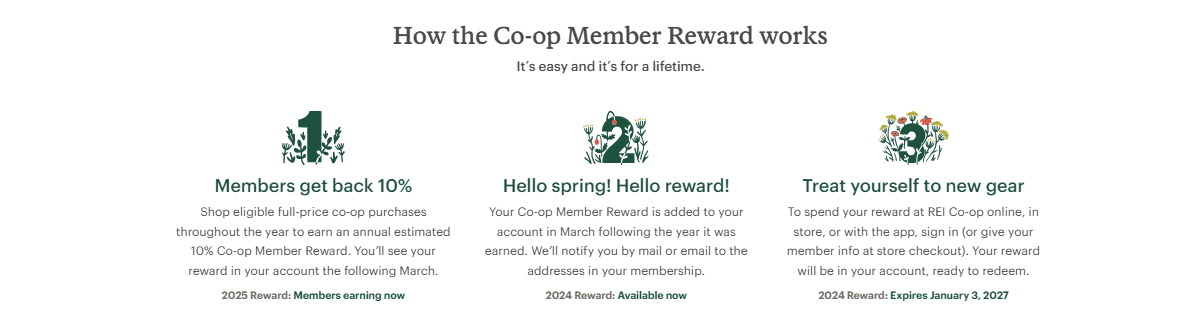
The REI Co-op Membership is a one-time $30 subscription program that turns customers into lifetime members of a community centered around outdoor adventure.
Why does this program work?
REI offers more than just sporting goods, camping gear, and travel equipment, it provides outdoor vacations and educational courses. The customer loyalty program promotes ethical business and loyalty, community involvement, and protecting nature for future generations. What’s more, the products loyalty members purchase are closely tied to hobbies they are passionate about.
Members get special benefits like yearly rewards (10% back on eligible purchases), access to exclusive sales, limited-edition gear, and discounts on rentals and classes.
One of the great things about the program is that members can vote in board elections, helping choose leaders who reflect their values. Members can also buy and trade in used gear through the "Re/Supply" program, making outdoor gear more affordable and reducing waste.
The rewards for customers aren’t just about discounts, but about building a strong connection based on shared values and common goals.
adiClub is a free, tier-based membership program with gamification elements from one of our favorite sports brands - one we've grown up loving. It rewards members for shopping, staying active, and engaging with the brand, all while promoting a healthier lifestyle.
Why does this program work?
Adidas offers more than just athletic wear and footwear. With adiClub, members earn points not only through purchases but also by staying physically active and tracking workouts using the Adidas Running and Training apps. This adds a fun, gamified element to fitness turning everyday exercise into a way to level up. Gamification in loyalty programs is the secret sauce to customer loyalty.
The program encourages healthy living, self-improvement, and a sense of progress. Whether you're going for a jog, taking a fitness class, or just browsing Adidas content, you’re earning rewards for things you already enjoy doing.
Each purchase earns you points, and as you move up through four levels, you unlock increasingly valuable perks: early access to product drops, exclusive gear, birthday rewards, free shipping, priority customer service, and even invites to special events and experiences.
One of the coolest parts of adiClub is how it makes fitness feel like a game. The more you move, the more you earn, encouraging consistency and turning small wins into big motivation. It’s not just about shopping; it’s about progress, passion, and feeling good and healthy every step of the way.
The rewards go beyond discounts, they support a lifestyle of movement, motivation, and connection to a global community of athletes and creators.
Chipotle Mexican Grill, founded by Steve Ells, has quickly risen to become one of the most popular fast food chains. Known for its focus on fresh, customizable Mexican-inspired dishes, Chipotle has built a loyal following by committing to quality ingredients, ethical sourcing, and fast service. Positioned as a healthier alternative in the fast food industry, the brand continues to thrive in a competitive market.
Why does this program work?
Chipotle offers more than just burritos, bowls, and guac, it provides a deeper connection to real food, clean ingredients, and community well-being. The Chipotle Rewards program reflects this mission by inviting customers into an experience that celebrates high-quality ingredients, ethical sourcing, and food made fresh every day.
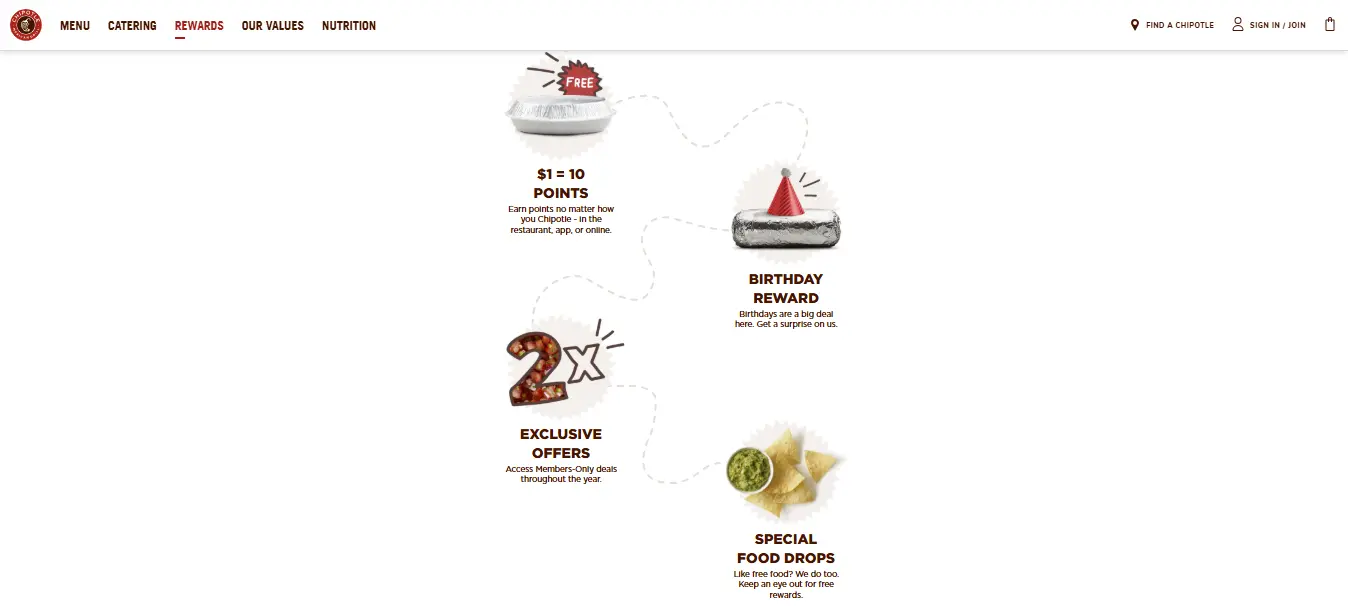
The loyalty program is free to join and designed to reward frequent diners with meaningful perks. Members earn 10 points for every $1 spent, whether they order in-store, online, or through the Chipotle app. These points can be redeemed for a wide variety of rewards, from free entrées and beverages to exclusive offers and menu items.
Members also enjoy surprise birthday rewards, early access to new products, and limited-time promotions available only to the Chipotle Rewards community. One unique feature is “Extras” - a set of challenges and activities that let members earn bonus points and digital achievement badges. This gamified layer adds fun to the experience and keeps fans engaged with the brand.
More than a discount program, Chipotle Rewards builds lasting connections with customers who care about where their food comes from. It strengthens the brand’s values: fresh ingredients, real cooking, and sustainability. It’s about joining a community that shares a lifestyle of conscious food choices.
Conclusion
At the end of the day, loyalty marketing isn’t about bribes, it’s an experience. It’s about showing your customers that they matter beyond the transaction.
When you combine thoughtful design, creativity, and a real understanding of what your audience values - you create a loyalty strategy that doesn’t just retain customers, it turns them into fans.
Focus less on gimmicks, more on connection. Make it easy. Make it meaningful. And most of all - make it yours.
FAQ
What is loyalty marketing?
Loyalty marketing is a strategy designed to encourage customers to keep returning to a business by rewarding repeat purchases and fostering long-term relationships. Unlike traditional marketing, which focuses on acquiring new customers, loyalty marketing aims to turn casual shoppers into loyal fans who prefer your brand over the competition. This is achieved through perks like discounts, rewards programs, exclusive deals, and personalized experiences that make customers feel valued.
What are the key components of an effective loyalty marketing strategy?
An effective loyalty marketing strategy should include:Clear Objectives: Define what you aim to achieve, such as increased retention or higher average order value.Personalized Rewards: Tailor incentives to individual customer preferences to enhance engagement.Consistent Communication: Maintain regular contact with customers through various channels to keep them informed and engaged.Data Analysis: Use customer data to refine your strategy and improve the program's effectiveness over time.
How does loyalty marketing differ from traditional marketing?
Traditional marketing primarily focuses on attracting new customers through advertising and promotions. In contrast, loyalty marketing concentrates on retaining existing customers by rewarding their continued patronage and building long-term relationships. This approach not only encourages repeat business but also transforms customers into brand advocates who can attract new customers through word-of-mouth.
How does loyalty marketing benefit businesses?
Implementing loyalty marketing offers several advantages:Increased Customer Retention: By rewarding repeat business, companies can boost customer retention and lifetime value.Cost-Effective Growth: Retaining existing customers is more cost-effective than acquiring new ones, leading to increased profitability.Brand Advocacy: Satisfied, loyal customers are more likely to recommend your brand to others, enhancing word-of-mouth marketing.Competitive Edge: Offering personalized rewards and exclusive perks can differentiate your brand from competitors.
Can you provide an example of successful loyalty marketing?
Yes, Doodle Dogs implemented a flexible rewards program using Growave, offering a variety of reward options. By launching a punch card program, they achieved impressive results, 25% of their total revenue came from customers actively participating in the program.
Scopri i segreti della retention direttamente dal nostro CEO
Grazie! Abbiamo ricevuto la tua iscrizione.
Ops! Si è verificato un errore durante l’invio del modulo.
Erlan Emilev
Content Manager
Erlan Emilev è Content Manager di Growave e specialista di fidelizzazione, con un obiettivo preciso: aiutare i brand e-commerce a costruire relazioni durature con i loro clienti. Scrive di programmi fedeltà, strategie di retention e coinvolgimento dei clienti, traducendo temi complessi in indicazioni chiare e applicabili per i team orientati alla crescita. Oltre al lavoro editoriale, Erlan realizza contenuti a forte impatto lungo tutto il percorso di acquisto, dalle landing page ai case study. Il suo lavoro ha sempre lo stesso scopo: trasformare chi compra una volta in cliente fedele e abituale.